The future of smart transportation: Connecting communities, people and possibilities
From sci-fi visions to real-world mobility innovation
From the flying cars of The Jetsons to the hoverboards of Back to the Future, from the self-driving pods of 2001: A Space Odyssey to the neon streets of Blade Runner, pop culture has long imagined what the future of travel might look like. And while our cities aren’t quite filled with skyways and robot chauffeurs, the real story of how mobility is evolving is just as exciting — smarter, more connected and grounded in technology already transforming how we move.
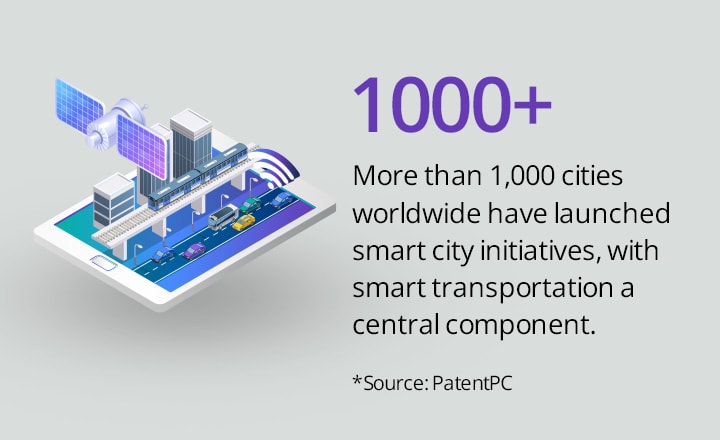 As urban centers grow more congested, environmental pressures intensify and access to reliable connectivity becomes essential — whether you live in a city or miles from one — the need for efficient, sustainable and data-driven mobility is more important than ever.
From larger smart cities to smaller rural communities, ensuring smart transportation and connected public transport networks is key to meeting these challenges and supporting more accessible, seamless travel.
Smart transportation is the next evolution — leveraging intelligent systems, dynamic information, predictive analytics and Internet of Things (IoT) connectivity to transform how people and goods move across communities, regions and the world.
It’s not science fiction anymore — smart transportation is the new reality driving the next era of mobility.
What is smart transportation?
At its core, smart transportation makes travel safer, faster and more efficient for everyone. It harnesses real-time data, connected infrastructure and automation to optimize the flow of people, vehicles and goods, enhance safety and create reliable mobility experiences across cities, suburbs and rural areas.
Think of it as a digital nervous system for mobility. Sensors, cameras and communication networks continuously collect and share information — from traffic flow to vehicle location — allowing transit operators and drivers to make better decisions in the moment.
As an example, IoT in public transportation connects vehicles, stations and traffic infrastructure via sensors enabling live monitoring and predictive planning to minimize delays. Intelligent systems can adjust traffic signals dynamically, reroute buses to avoid delays, or alert maintenance teams before equipment fails.
Overall, smart transportation leverages data analytics to drive future-readiness — helping cities predict demand, optimize resources and design networks that improve access and connectivity. Together, these tools form the foundation for efficient journeys, safer roads, cleaner air and more accessible travel options in smart cities and communities worldwide.
Smarter mobility in action
The future of transportation isn’t arriving all at once — it’s unfolding in smarter, more strategic steps. All over the globe, connected technologies and data-driven tools are being applied in new ways to create faster, safer, more sustainable and reliable transportation systems.
Advancements such as compact, cloud-connected roadside tolling units and new open-payment systems like Conduent’s EasyTap Open Payment Solution are great examples of smart transportation and smart cities in action — reshaping how people and goods move every day.
Behind these advances is a common thread — intelligent, coordinated systems that remove friction from the travel experience. From vehicles moving smoothly through toll points to passengers flowing effortlessly through transit gates, smart transportation turns complexity into simplicity with dynamic data insights, automation and strategic design.
|
The next frontier in smart transportation is already here Autonomous cars navigating city streets. Robotic vehicles delivering packages. Drones surveying traffic and infrastructure. AI-driven networks linking buses, trains and shared mobility. Pods gliding on ultra-high-speed transit tracks. Once purely conceptual, these innovations are now real-world-applied and redefining how people and things move. With more breakthroughs on the horizon, the future of mobility will be faster, smarter, more connected and more personalized for everyone. |
These next-generation systems reduce environmental impact, simplify deployment and lower costs while maintaining the accuracy, reliability and security essential to electronic tolling and smart transit operations. Efficient installation, cloud-based management and autonomous functionality allow cities to expand mobility options without lengthy construction or complex infrastructure upgrades.
Beyond improving efficiency and reliability, these innovations are extending the reach of connected mobility — from busy city corridors to remote rural routes. Whether it’s quickly identifying delay-free routes, making public transit more convenient and seamless, or building new synergies with intelligent vehicles, modern transportation solutions are bringing the benefits of smart transportation to communities of all sizes.
Smart traffic management and flow
While the latest transportation solutions optimize individual points of travel, true gains come from managing the flow of people and vehicles across an entire network. In cities far and wide, connected technologies and data-driven tools are being applied in new ways to create systems that are more seamless, efficient and sustainable.
Smart traffic systems work as part of a broader smart intelligent transportation network using live data, predictive analytics and connected infrastructure to reduce congestion, improve safety and dynamically respond to changing conditions. All of this in concert with public transit and other transit modalities. As an example, traffic signals can adjust on the fly to smooth vehicle flow, emergency vehicles can be routed to avoid holdups and predictive models can help planners anticipate high-demand periods or potential bottlenecks before they occur.
Smart systems like these also support dynamic tolling or congestion pricing, helping roads efficiently operate while providing options for revenue generation without adding physical infrastructure. And the benefits extend beyond dense city centers. Integrated traffic management, roadside tolling and transit solutions bring safer, more reliable travel to communities in lower-density or rural areas.
Enhancing the traveler experience
Smart transportation isn’t just about moving vehicles more efficiently — it’s about making travel easier, more intuitive, convenient and connected. Advancements such as contactless fare collection, journey planning apps and integrated transit networks are paving the way for smart public transportation making it simpler for public transit riders to seamlessly move through a city or region.
That means faster boarding, streamlined payment and up-to-the-minute travel information that reduces dwell times, lowers operating costs and makes daily commutes smoother.
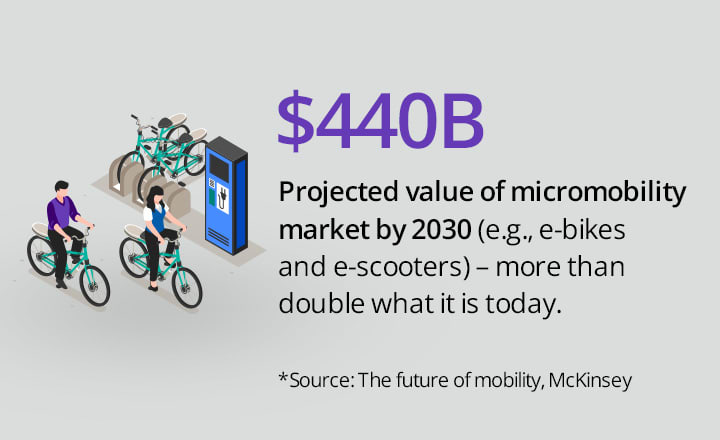 Multimodal integration further enhances the experience, enabling travelers to seamlessly switch between buses, trains, shared bikes and other forms of transport. Predictive alerts and planning tools keep riders informed, helping them plan trips with confidence and quickly adapt if changes arise.
Even in rural or lower-density areas, smarter mobility solutions are improving access, reducing travel friction and connecting communities that have historically been underserved. Focusing on the traveler experience, smart transportation transforms not only how people get from point A to point B, but also how they experience it along the way.
Navigating challenges and roadblocks
The journey toward smarter, more connected transportation can present obstacles that complicate the path. From ensuring interoperability among evolving systems to protecting sensitive data, technological progress often moves faster than infrastructure or policy can keep up with.
Even though the benefits of intelligent systems are clear, getting them seamlessly up and running often involves complex logistical, financial and technical hurdles.
Common challenges include:
- Connectivity gaps – Limited network coverage, especially in rural or remote regions, can hinder real-time communication between systems.
- Funding and infrastructure readiness – Aging systems, budget constraints and competing priorities can all slow modernization efforts.
- Data security and privacy – Expanding digital ecosystems increase exposure points, making robust cybersecurity and data governance essential.
- Interoperability – Integrating new technologies across diverse locations and regions requires collaboration and long-term planning.
Addressing these challenges takes more than technology upgrades. It requires collaboration, governance and a commitment to cross-system integration — ensuring systems can seamlessly connect, expand and evolve together to realize the next generation of smart transportation.
For transportation leaders, real progress in advancing smart transportation comes from flexible, secure and scalable solutions designed for the realities of both legacy systems and future needs.
The road ahead: How Conduent is powering the future
From roadside tolling to contactless transit and beyond, Conduent is helping cities and agencies build smarter, more connected transportation ecosystems. Through secure, scalable platforms and expert teams, we work with clients worldwide to improve efficiency, sustainability and service quality — harnessing advancements in cloud, automation and data analytics to reduce costs, simplify operations and enhance traveler experiences.
With decades of experience delivering transportation solutions, we empower our clients to deploy innovative systems that connect communities, enhance safety, support sustainability and embrace the future of mobility and smart transportation services. Whether optimizing traffic flow or expanding digital fare collection, the goal is the same: creating intelligent, data-driven networks that move people and progress forward.
Explore Conduent’s Transportation Solutions to learn how we’re helping agencies shape the next generation of smart, connected mobility.
Frequently asked questions (FAQs)
What is the meaning of smart transportation?
Smart transportation uses connected systems, real-time data and automation to make travel safer, faster and more efficient. It combines the latest in intelligent infrastructure, predictive analytics and IoT applications. Examples include IoT public transport, AI-driven traffic management and smart transportation solutions that enhance mobility in cities and regions.
What is the future of smart transportation?
The future of smart transportation combines AI, electrification and connected infrastructure to make travel safer, faster and more efficient. AI-driven systems optimize traffic and public transit, while electric and autonomous vehicles reduce emissions and improve mobility. Connected networks enable real-time communication between vehicles, signals and pedestrians, supporting smarter, more seamless travel.
What are examples of smart transportation systems in smart cities?
Examples of smart transportation systems include connected traffic management, integrated public transit networks, and IoT-enabled infrastructure, as well as autonomous buses, robotic delivery vehicles, drones and high-speed transit pods. Together, these innovations improve safety, efficiency and accessibility across cities, suburbs and regions.
What are the challenges of smart transportation?
Smart transportation faces challenges such as connectivity gaps, aging infrastructure, funding limits, data security concerns and interoperability across diverse systems. Addressing these obstacles is essential to ensure reliable, efficient and scalable smart transportation solutions for cities and regions.
How do smart traffic systems improve urban mobility?
Smart traffic systems leverage sensors, real-time data and predictive analytics to reduce congestion, improve safety and optimize vehicle and passenger flow. They complement smart public transportation and help cities deliver efficient, connected transit experiences.
How can IoT in public transportation enhance commuter experiences?
IoT-enabled public transport connects vehicles, stations and infrastructure via sensors to monitor conditions and predict delays. This allows smarter multimodal integration, seamless travel and reliable service for riders across cities and smart city networks.